
Understanding Mold: A Brief Guide
Mold is a type of fungus that grows in multicellular filaments called hyphae. When these fine, transparent threads branch out into a network, they form a single organism called a mycelium. While the initial growth often looks like fine white threads, molds eventually produce massive amounts of asexual spores. These colorful, dusty spores make the mold highly visible to the human eye.
Why Mold Grows & What It Does
Mold species belong to diverse microbial groups, including the Zygomycota and Ascomycota divisions. In nature, their primary job is the biodegradation of organic materials. However, when mold enters a property, this natural breakdown process becomes destructive, causing severe property damage and structural decay.
Health Risks of Indoor Mold Exposure:
Mold spores are everywhere, but when they multiply in large quantities inside a building, they become a serious health hazard. Prolonged, daily exposure inside your home or workplace poses several documented health risks to humans and animals:
- Allergic Sensitivity: Inhaling or touching mold spores can trigger strong allergic reactions, respiratory irritation, watery/itchy eyes, chronic coughing, headaches, and skin rashes.
- Pathogenic Growth: Certain mold strains can actively grow inside the body, causing systemic infections and deep respiratory issues.
- Mycotoxins: Some molds produce toxic chemical compounds called mycotoxins. Inhaling or ingesting these toxins can lead to serious health complications, neurological problems, or chronic illness.
What is “Toxic Mold”?
The term “toxic mold” refers specifically to strains that produce dangerous mycotoxin compounds, such as Stachybotrys chartarum (black mold). These toxins can accumulate in the air or contaminate stored food products, releasing harmful metabolites like aflatoxins and ochratoxins.
Common Hidden Mold Locations
Mold thrives indoors anywhere water, high humidity, or stagnant air is present. The most frequent problem areas include:
- High-Moisture Rooms: Bathrooms, kitchens, and steamy laundry areas.
- Poor Ventilation: Basements, plumbing crawl spaces, and cluttered storage areas.
- Water Damage Sites: Enclosed wall spaces or flooring in recently flooded areas.
Types Of Mold
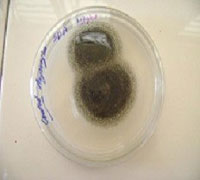 Stachybotrus (Black Mold)
Areas Found: Tile, Wallpaper, Drywall, Isolation, and Carpet
Symptoms:Throat and eye irritation, Headaches, Sneezing, Fever, Rashes, Nausea and chronic coughing. In some cases: Bleeding and vomiting.
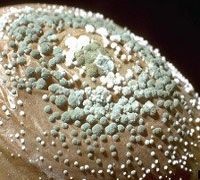 Penicillinium
Areas found: Food stuffs, water damaged building materials, dust, drywall, wallpaper.
Symptoms: Asthma, Type 1 Hay Fever, and Type 3 hypersensitivity.
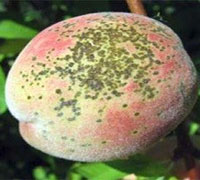 Cladosporium
Areas found: Textiles, Water Damaged building materials, Fiberglass air duct liner, Paint, Dust.
Symptoms: Asthma and Hay Fever.